
Plywood

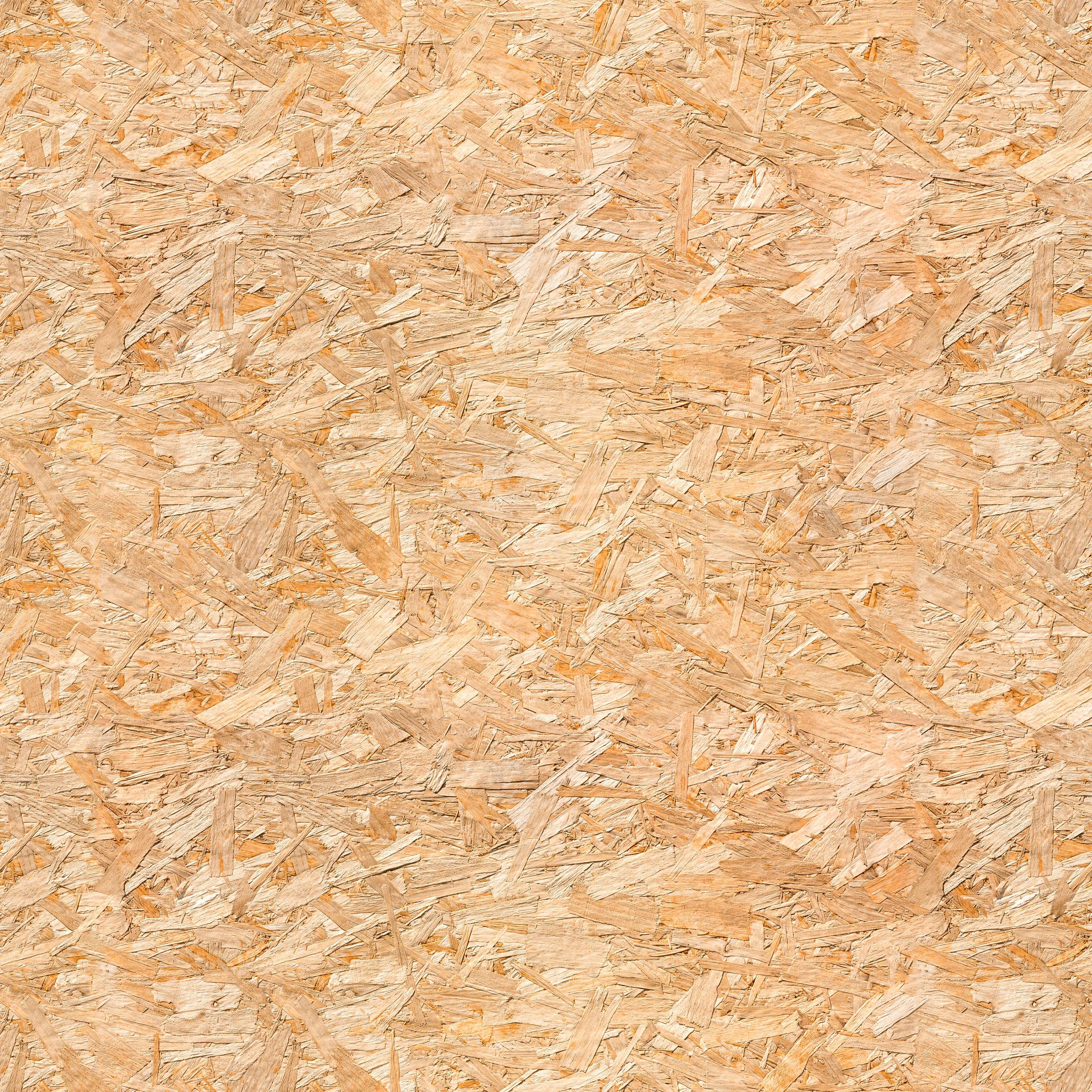
Plywood in roofing refers to the structural wood panel installed over rafters or trusses that creates the roof deck —the surface your metal roofing system is fastened to. It’s critical for load distribution, fastening strength, and long-term durability.
Types of Plywood
Plywood (traditional layered sheets)
Made from thin wood veneers glued in alternating grain directions
Strong, stable, better resistance to moisture than OSB
Holds screws very well (important for metal roofing fasteners)
Typically more expensive
OSB (Oriented Strand Board)
Compressed wood strands bonded with resin
Most common in modern construction (including Alberta)
Uniform, cost-effective, structurally reliable
Slightly more sensitive to moisture exposure (edges can swell if not protected)
Chipboard / Particle Board (rarely used for roofing)
- Made from small wood particles and adhesive
- Low structural strength and poor moisture resistance
- Not recommended for roof decking, especially under metal roofing
👉 Quick takeaway:
For metal roofing, plywood or OSB only. Chipboard is a no-go.
Read more: 4 Types of Roof Sheathing, Functions and Benefits
Standard Sizes
Most roof decking panels come in:
- 4 ft × 8 ft (1220 mm × 2440 mm) — industry standard
- Occasionally longer sheets (e.g., 9 ft or 10 ft) for specific framing layouts
Panels are installed with staggered joints to improve strength and reduce weak points.
Plywood Thickness
Common thicknesses:
- 3/8″ (9.5 mm) – too thin for most roofing applications
- 7/16″ (11 mm) – common minimum (especially OSB in tract homes)
- 1/2″ (12.5 mm) – better rigidity, widely used
- 5/8″ (15.5 mm) – recommended for premium metal roofing systems
- 3/4″ (18.5 mm) – used for high-load or specialty builds
👉 In Canada (snow load + temperature swings):
5/8″ is often the sweet spot for strength, screw holding, and long-term performance.
Application in Metal Roofing
The roof deck (plywood/OSB) plays a bigger role than many homeowners realize:
Structural base
- Distributes snow load, wind uplift forces, and foot traffic
Fastener holding
- Metal roofing screws must anchor securely into solid decking
- Thicker panels = better screw retention = less risk of loosening over time
Surface for underlayment
- Ice & water shield and synthetic underlayments are installed directly on top
Flat, even plane
- Critical for standing seam and metal panels to sit straight
- Imperfections in decking = visible waves in the metal roof
Repair stage (before metal install)
- Any rotten, soft, or delaminated plywood must be replaced
- Uneven decking is corrected before installation
Pro Notes (What Contractors Look For)
- No sagging between rafters
- No moisture damage or mould
- Proper fastening to framing (nails/screws at correct spacing)
- Expansion gaps between sheets (important for OSB)
- Clean, flat surface before underlayment
Plywood (or OSB) isn’t just “wood under the roof” — it’s the structural foundation of your entire metal roofing system.
If the decking is weak, thin, or damaged, even the best metal roof won’t perform properly.
See our works
Giving you a sense of what a metal roof will look like in your home of commercial property